The Back Story
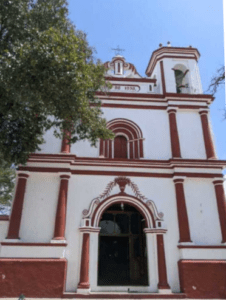
San Cristóbal de las Casas is mostly made up of mountainous terrain, but the city sits in a small valley surrounded by hills. The city’s center maintains its Spanish colonial layout and much of its architecture, with red tile roofs, cobblestone streets and wrought iron balconies often with flowers. Most of the city’s economy is based on commerce, services and tourism.
Tourism is based on the city’s history, culture and indigenous population, although the tourism itself has affected the city, giving it foreign elements.
While walking along the centuries old cobblestone streets, brightly colored homes and structures line the the small roads. The smell of campfires and wood burning stoves fills the crisp air, and rightly so, providing much needed warmth during the cold season. This city sits in the mountainous region of Chiapas, Mexico’s southern most state, bordering Guatemala. The city sits 7,200 feet (2,200 meters) above sea level. It is recommended those who are unfamiliar with this elevation take a day to acclimate upon arrival. At this elevation there are periods of microclimates experienced. This can lead to instantaneous cold spells following a comfortably warm day.
Culture
Chiapas is extremely diverse and has everything from Maya ruins, rainforests, and beaches to turquoise lakes, indigenous villages, and pine forests. Chiapas is one of the most amazing states in Mexico!
Chiapas has one of the largest indigenous populations in Mexico, with the two major populations being the Tzeltal and the Tzotzil, each with their own dialect. Spanish is a second language for many locals with some not speaking Spanish at all.
Jos was really good about communicating and I was ecstatic, although not surprised, when he responded to a text message that we were soon to arrive. Incidentally I informed him we were to arrive at the bus station in twenty minutes and he said he and Jurgita would meet us there. However, as I later learned, there are more bus stations than one in nearly every town or city in Mexico. There are Colectivo, Shuttle and Tour bus stops. There are multiple stations for shuttles and for Colectivos, depending where you are going or your final destination. This was a major challenge while traveling Mexico (and all Central America, as I would soon learn).
Jos suggested heading toward the town center when we arrived and that the apartment was on the other side of the plaza from where the shuttle would arrive. He said we would probably meet some place on the street if he and Jurgita didn’t arrive before the shuttle arrived.
INFESTATION
Raul from whom I rented an apartment was very helpful and accommodating. Raul provided his direct telephone number to me. The night before departure Raul was able to assist in obtaining a shuttle all the way from San Cristobal de las Casas, Chiapas, Mexico to Panajachel, Sonola, Guatemala. Raul assisted us in handling the entire transportation of our journey from San Cristobal to Panajachel and was very responsive to our inquiries.
Sadly enough, however, Jos and Jurgita and Nate slept in the room upstairs that same night. The next morning all three of them came downstairs and reported insect bites. Fortunately they had rented a house a few days previous and were scheduled to move in that same day. For the next six weeks they would have a house to themselves.
Monday morning arrived as did the shuttle from San Cristóbal to Panajachel. It arrived practically at the precise time as scheduled. It was actually about 30 minutes after the scheduled time of 5:00AM, but I was happy to finally board the shuttle. We were supposed to depart the day prior, however, as we learned that shuttles do not operate on Sundays, thus delaying our travels by an entire day. Since the trip was supposed to take only nine hours and Winter Solstice Festival didn’t start until later in the day at least we would arrive early enough to catch several artists which were at the top of my list. That was until we arrived to the Guatemala border, anyway.